Driveways · Patios · Paths · Repairs
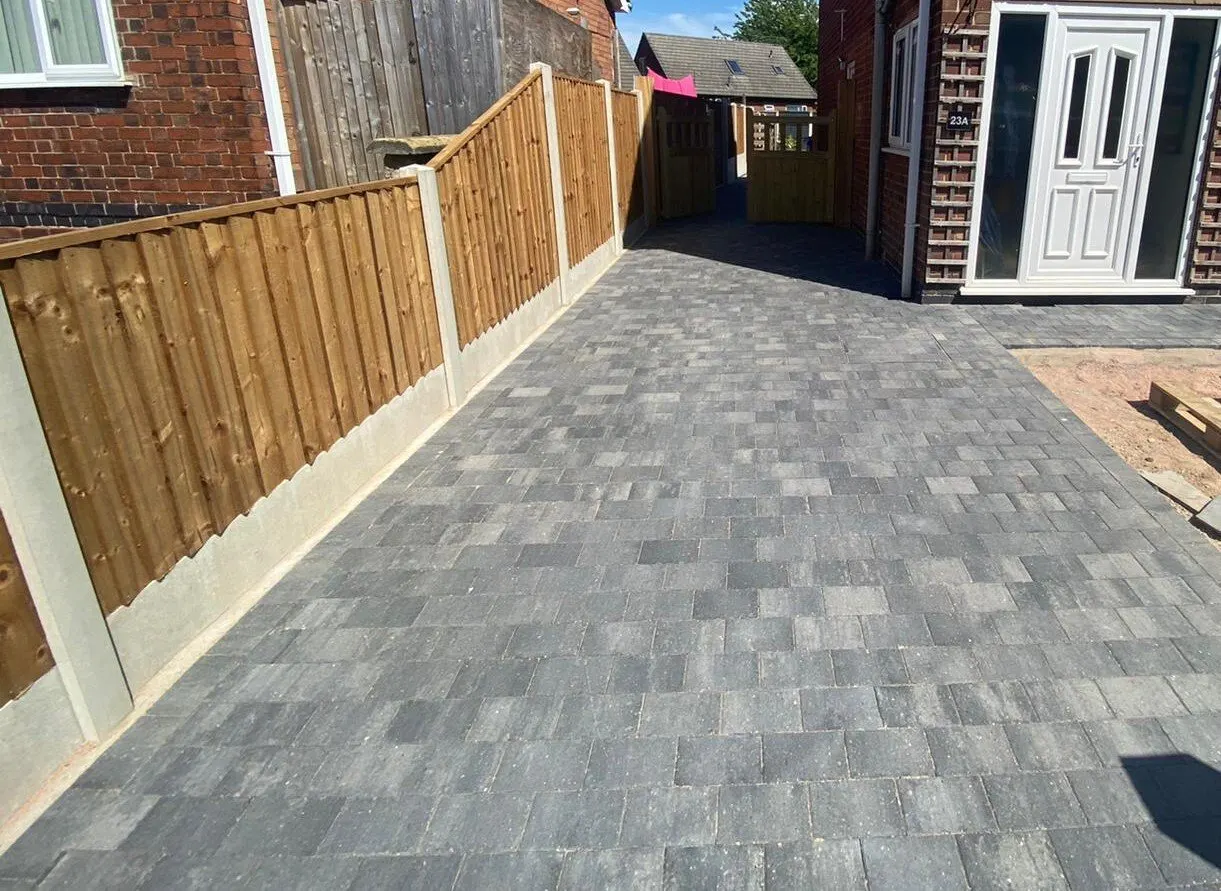
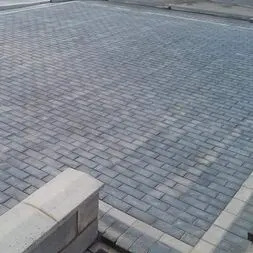
Block paving driveways, paths and patios in concrete or clay, in a wide range of colours and patterns, plus repairs to sunken or uneven block paving.
Block paving has been popular since the 1980s, first for driveways, as a robust alternative to tarmac that was far more practical than gravel. The choice of colours, sizes and shapes is much wider now. Most blocks are still concrete or clay, and most of the newer colours and shapes are concrete, because it's easier to produce new shades.
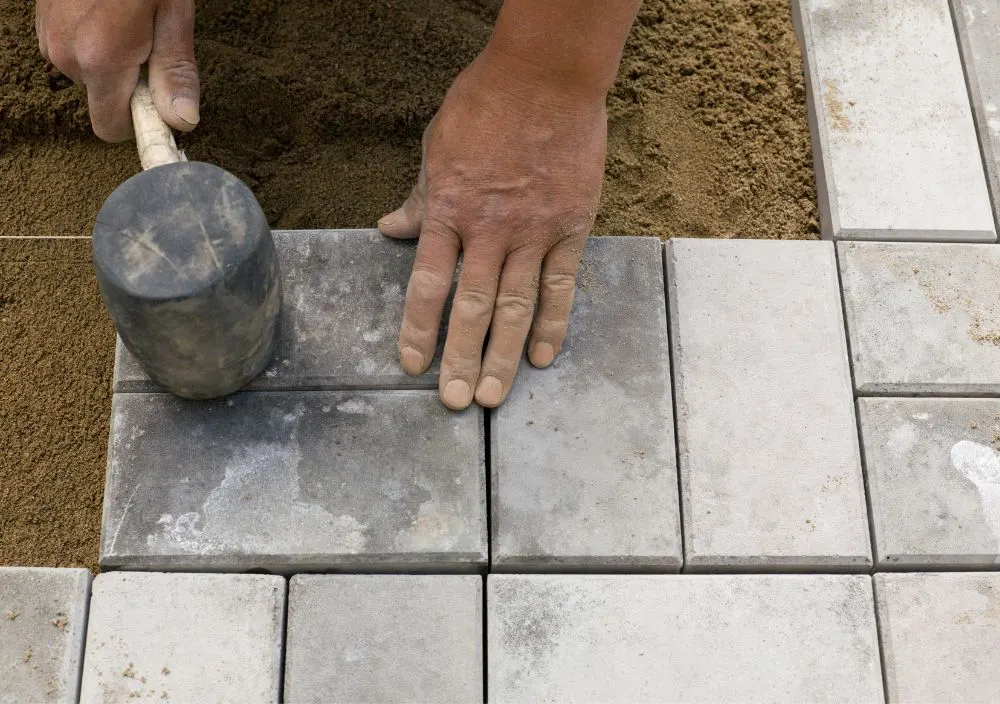
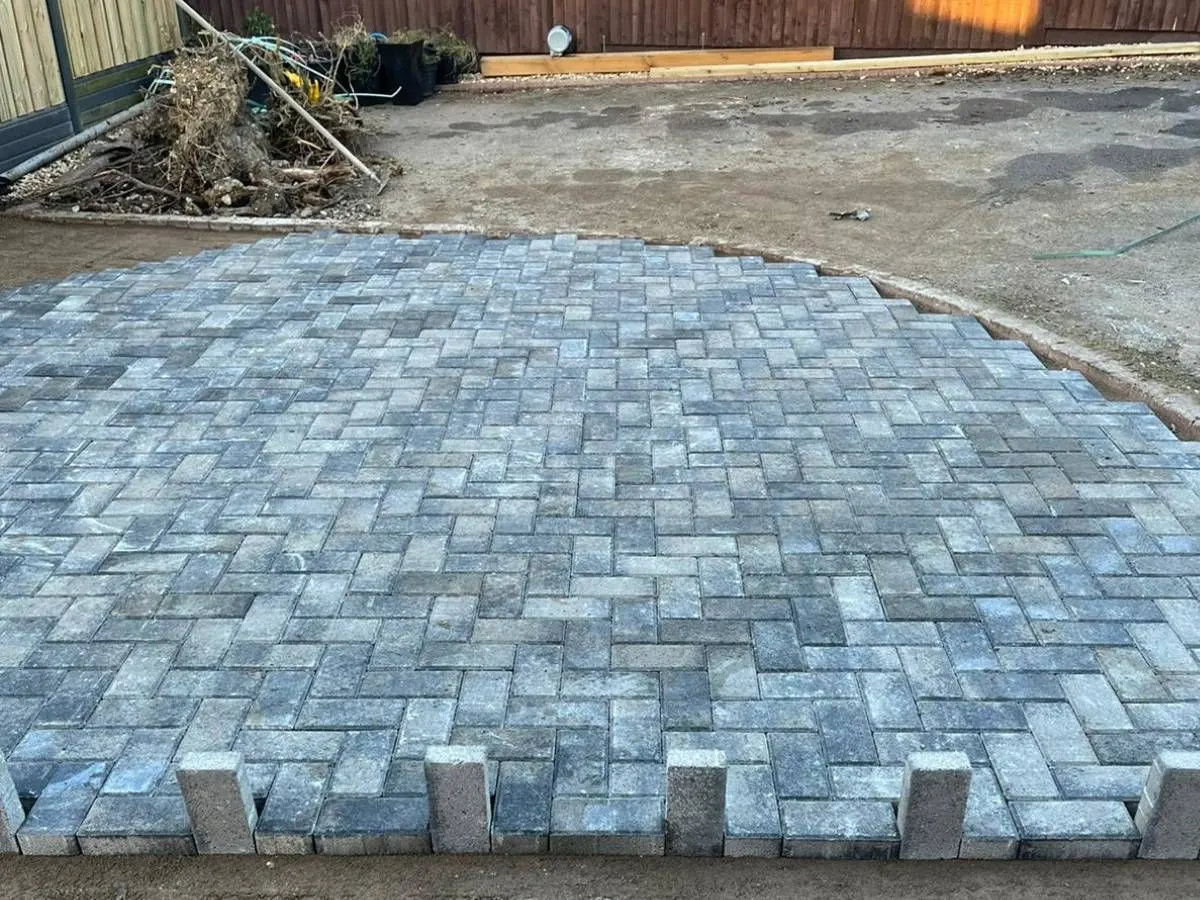
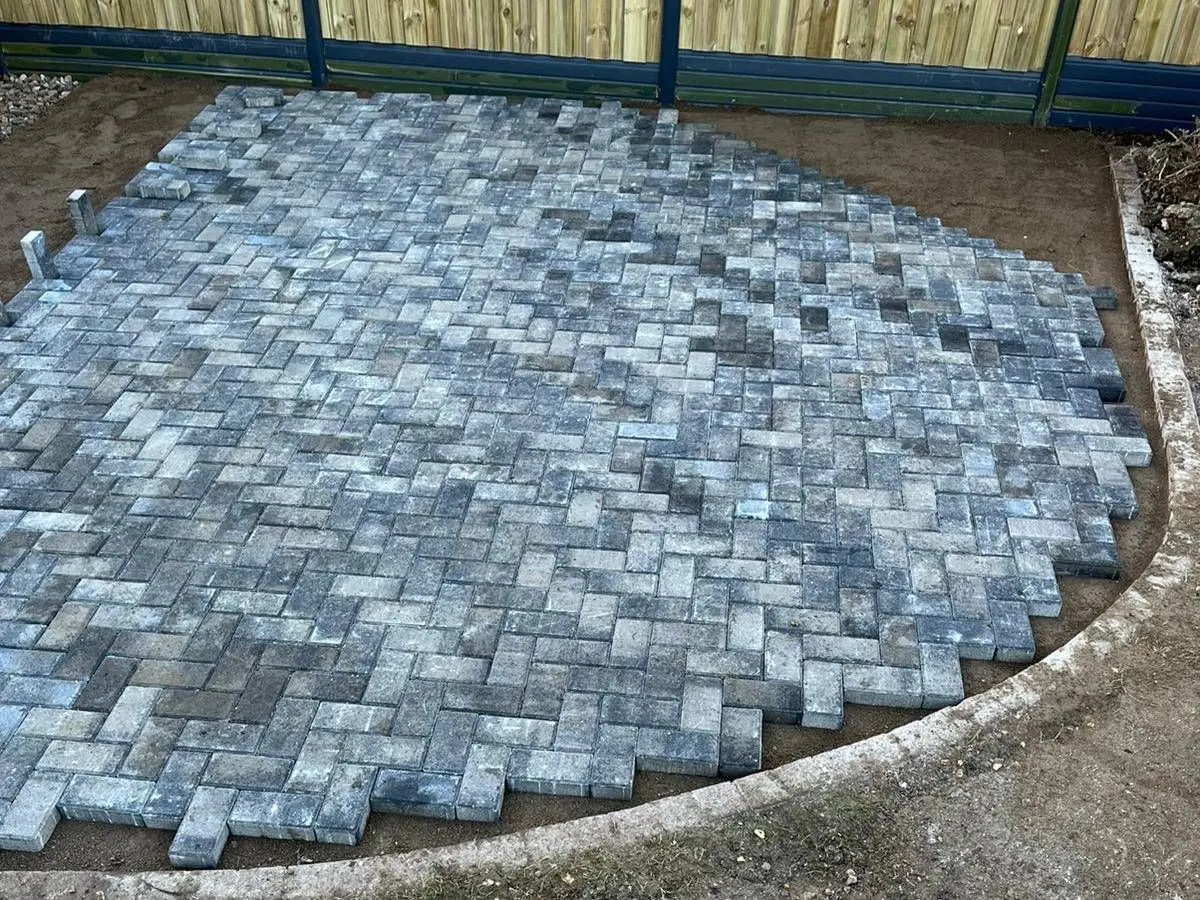
Blocks are laid differently from larger slabs. They sit on a screeded bed of sharp sand over a compacted sub-base, and kiln-dried sand is brushed into the joints at the end to lock everything together.
Because the blocks are small, block paving follows a gentle slope well. On a gently sloping garden it can save the excavation and retaining walls that larger slabs would need.
Both concrete and clay give a robust surface. Clay is tougher, which also makes it harder to cut and adds to the laying cost, and it comes in fewer colours. Clay is slightly more porous, so a little more prone to moss, but it drains better.
Concrete blocks cost less and come in far more colours, though they fade more than clay over time. Concrete is more resistant to spills and stains, which is why it's a good choice for driveways.
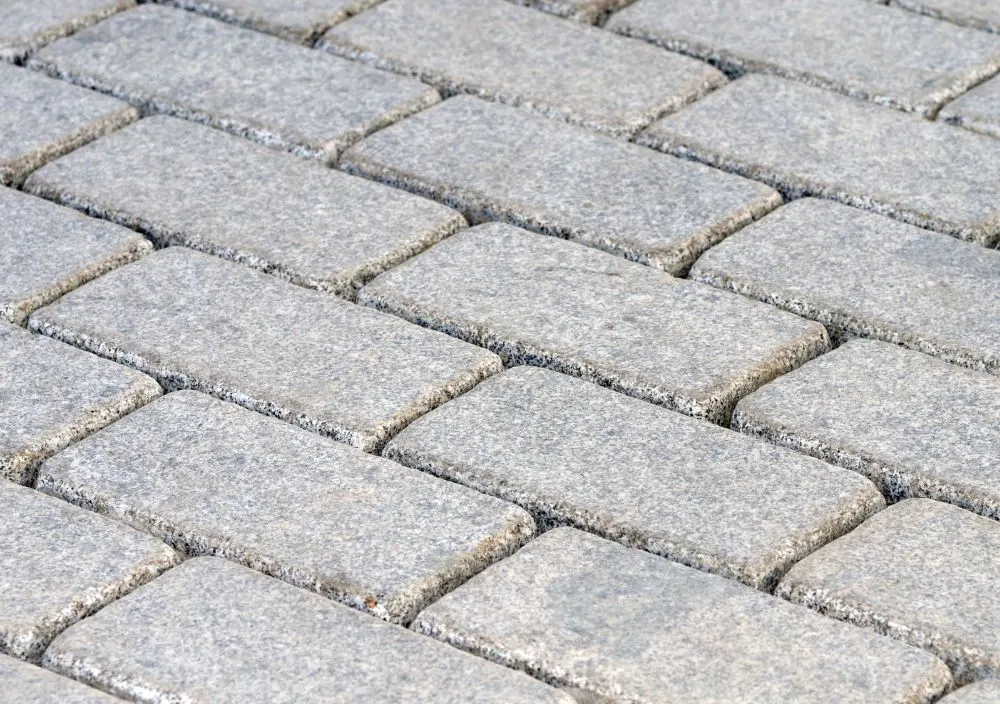
Stone blocks are usually reconstituted granite or quartz sandstone: natural stone crushed and bound with resin so the blocks come out uniform. For natural stone setts, see granite paving.
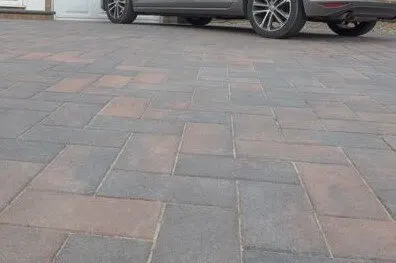
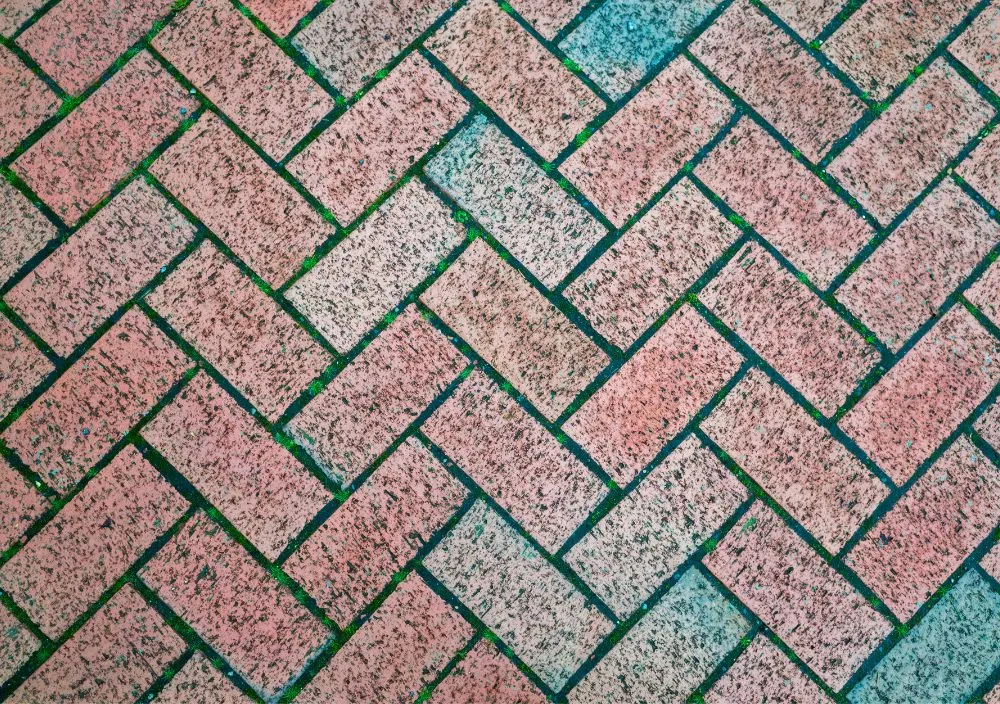
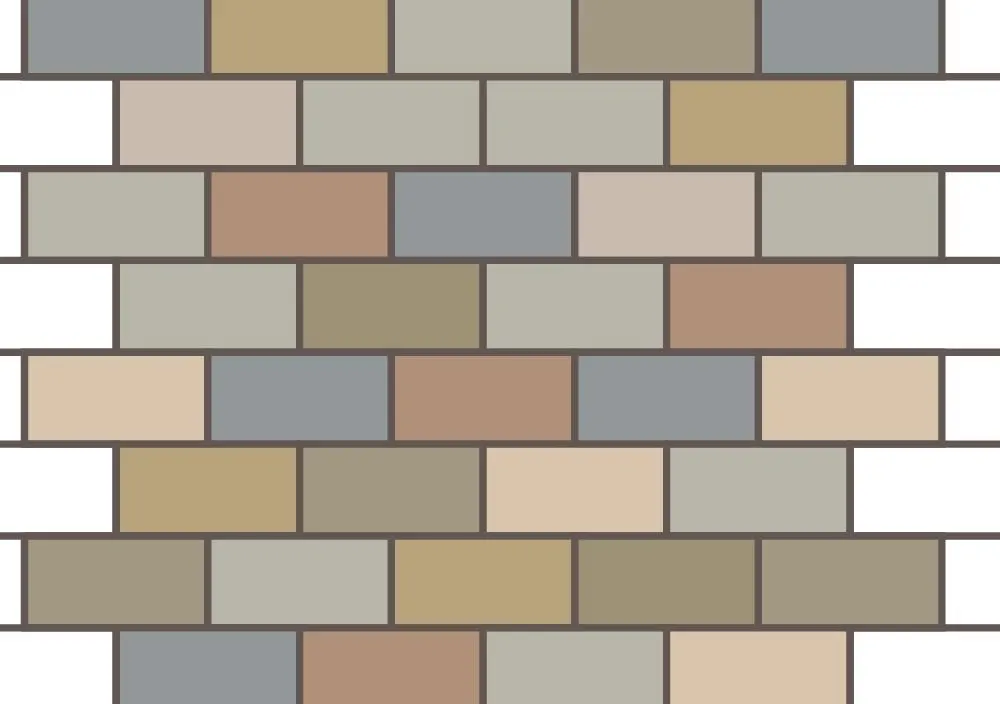
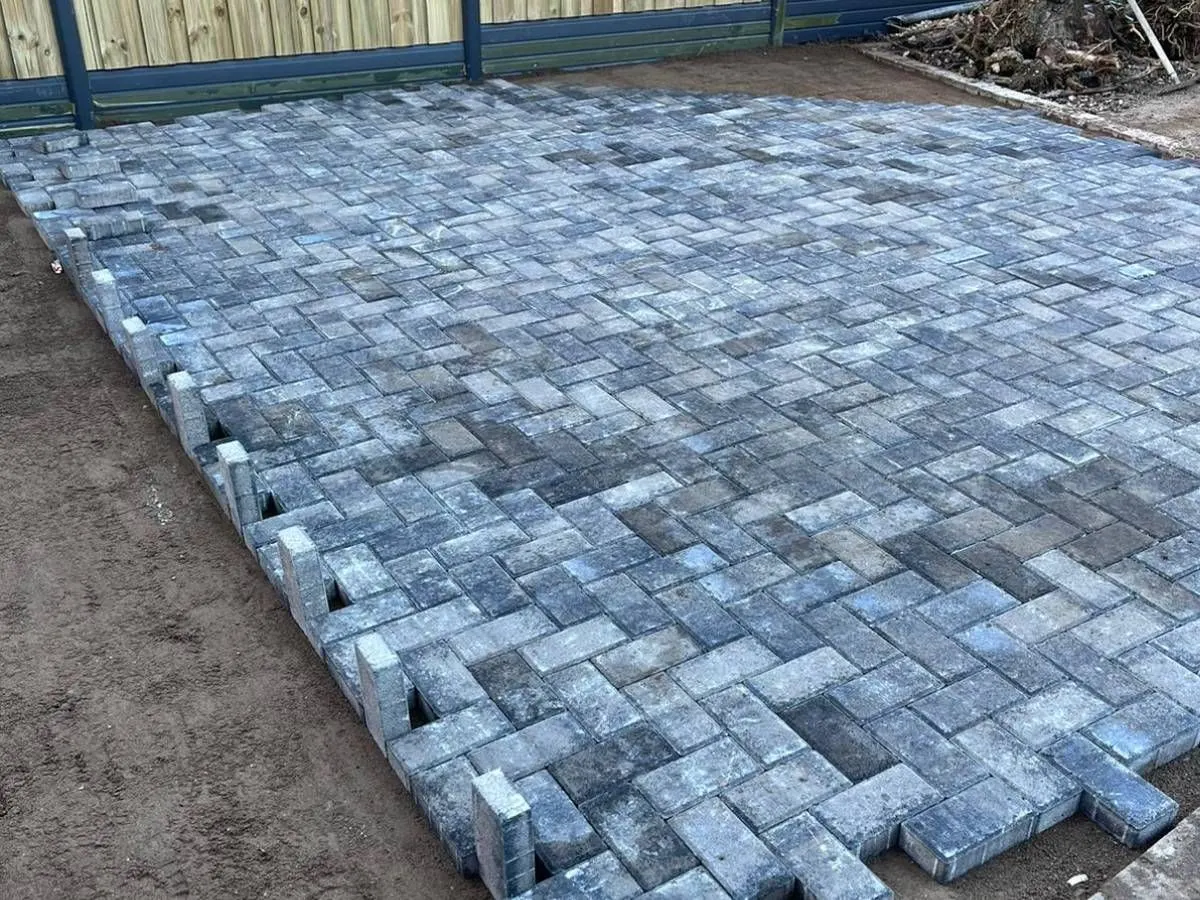
The most popular shades are reds, blue-blacks and, more recently, greys. You can alternate two or more single-colour blocks, or choose brindle blocks, which blend several colours in each block.
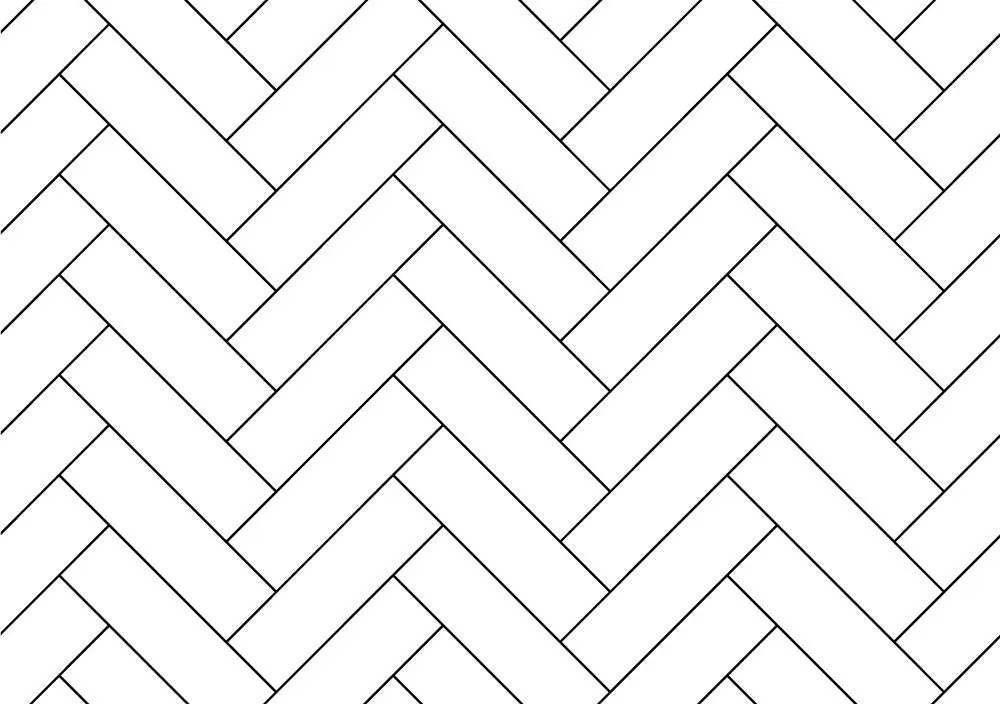
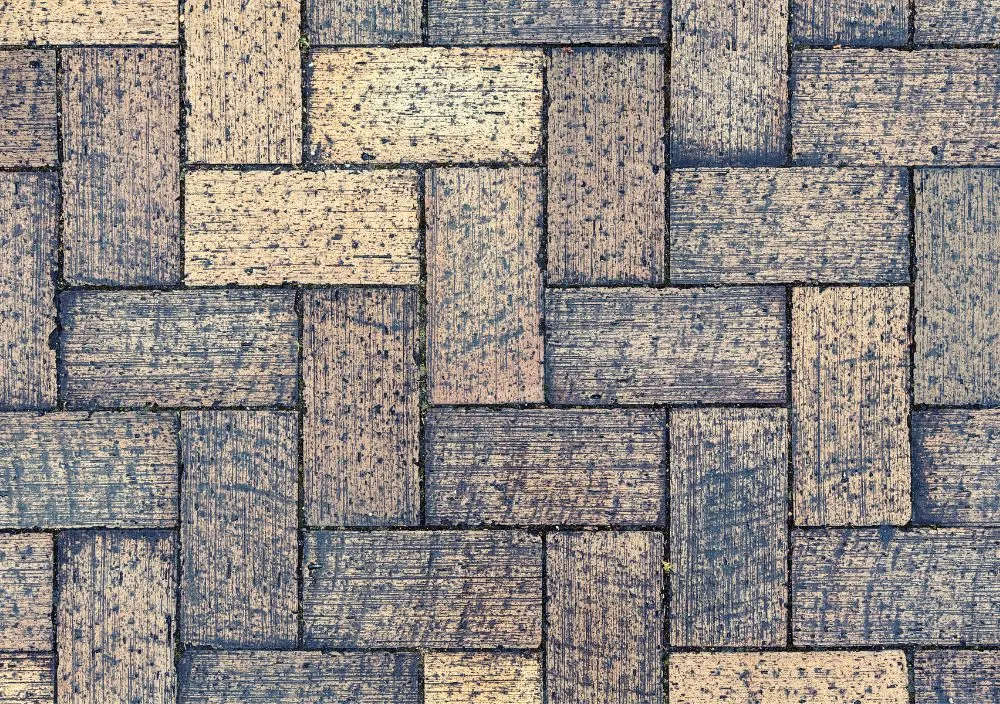
Colour is personal, but it's worth looking at what's around the paving. If you go for a bolder red or buff, a darker border helps it sit comfortably with its surroundings. As well as standard rectangles and squares there are S-blocks, W-blocks and hexagonal shapes, though these are mostly seen on commercial and public paving.
If your driveway is looking tired, uneven or starting to sink, a repair can often bring it back for a fraction of the cost of replacing it. Over time block paving can suffer from movement, weeds, drainage problems and wear, especially with Yorkshire weather and daily vehicle use.
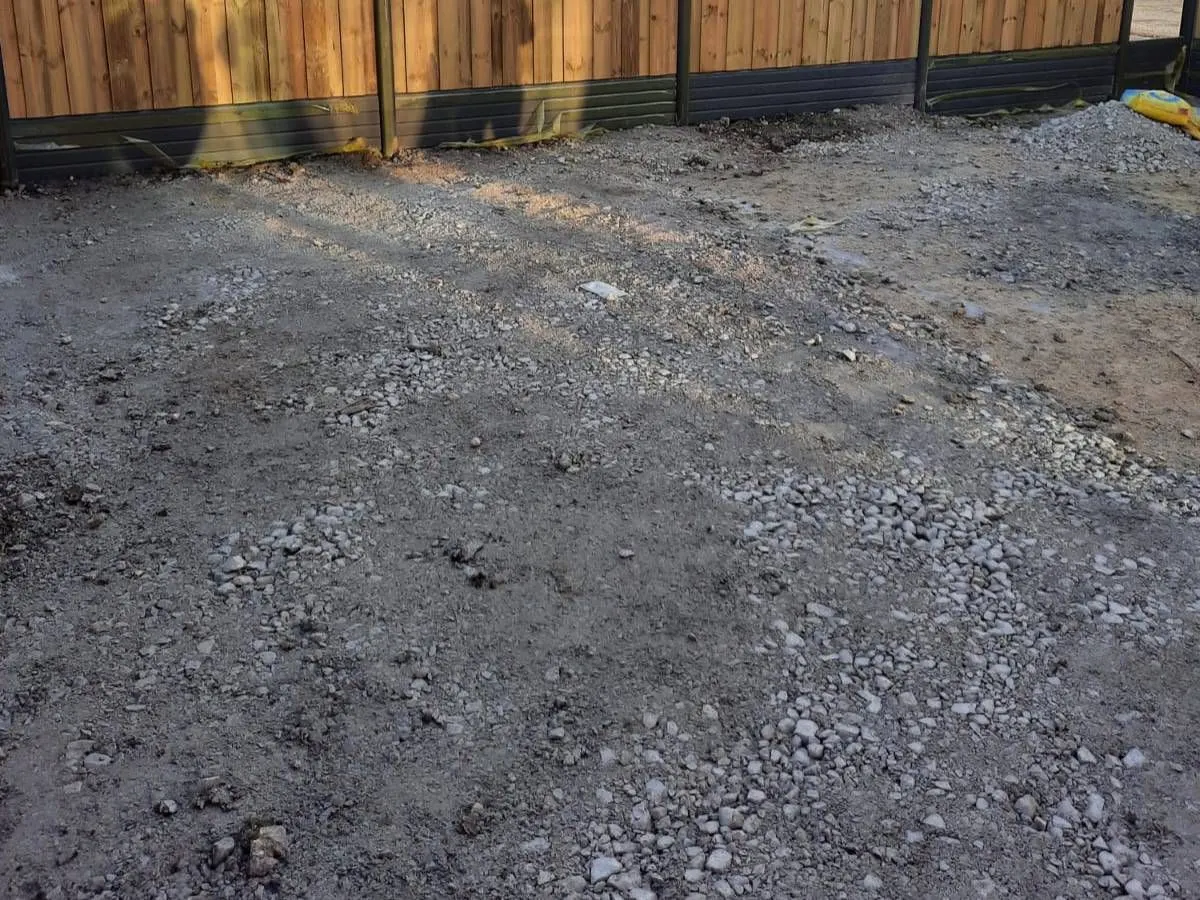
We start by finding the cause, whether that's a failed sub-base, poor drainage or natural settlement. Sunken or damaged blocks are lifted, the base is re-levelled and compacted, and the blocks are relaid or replaced to match. Where needed we re-sand, seal and repair edge restraints.
We've repaired everything from small driveways to larger shared accesses across Leeds, and we aim for a repair that lasts, not a quick fix.
A few weeks after laying, once the paving has settled, the joints usually need topping up with more kiln-dried sand. For routine cleaning, a stiff brush with water and a little detergent is enough. Weeds are easier to prevent than remove, so a weedkiller after cleaning is a good idea.
A pressure washer brings out ingrained dirt but can blow out the jointing sand. Use a medium setting, keep the lance at a low angle and spray across the joints rather than into them. If you do blast weeds or moss out of the joints, re-sand them afterwards or the weeds come back faster.
© 2026 All Rights Reserved | Paving Leeds - Leeds paving contractors